By Addison Coffey (Assistant Editor), Jadynne Brady (Editor-in-Chief), Laci Winship (Reporter), Nadia Katzenberger (Reporter)
The Jag
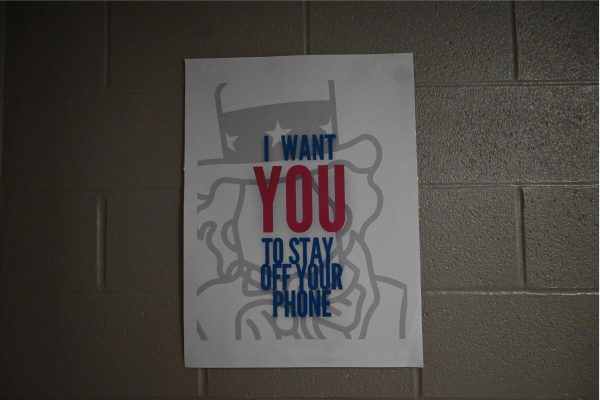
After one semester of the 2025-26 school year at Blue Springs South High School, the statewide cell phone ban is changing daily life for students and teachers.
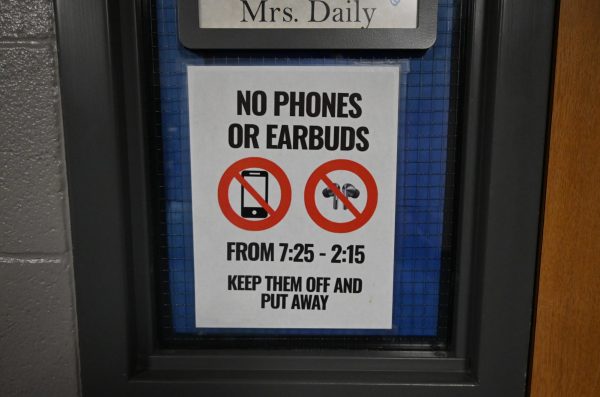
Under the law, phones and wireless headphones must stay powered off and put away during the school day. The discipline system includes a call home for the first referral, a call home from administration for the second, and in school detention (ISD) for repeated violations.
The new rules have led to mixed reactions among some students.
Sophomore Tony Baumgarden said the discipline process has kept more students out of class.
“More kids are getting written up about it,” he said. “They’re not in class as much, and I know why, because they’re on their phones.”
Principal Ryan Gettings said office referrals have increased due to continuing enforcement. Last year, only three students were sent to the office for phone issues; this year, around 100 have been referred.
Senior Bodie Burgess said the ban has changed both his school routine and personal habits.
“I’d say I see a lot more interaction, people talking,” he said. “I think generically, it’s a good thing, because it makes people do their work, It’s actually made my screentime a lot better, because the more you’re on it, the more you’re going to be on it. Not being on it throughout the day is really helping me talk to other people.”
Administrators say the biggest impact has been on student engagement. Gettings said teachers are reporting fewer missing assignments and more participation.
“If you look at our D-and-F rate, it is down about 5 percent compared to where it was last year at this time,” he said. “I think that ties into people being more attentive in class, turning stuff in, things like that. So overall, I think it’s been positive.”
Aside from academics, Gettings said social interaction has also changed.
“One of the things that’s real obvious to me is the noise level, like in the lunchroom and in the hallways,” he said. “People are actually communicating with each other. They’re not just having their head buried in their phone all day long. It’s really cool to see our kids interacting face to face, having conversations, doing that kind of thing.”
Gettings said that these changes help build longterm skills.
“Those are skills, and high school is a great place to build them,” he said. “When you leave here and go do whatever it is you’re going to do next, you have some of those skill sets built that are going to take you down the line.”
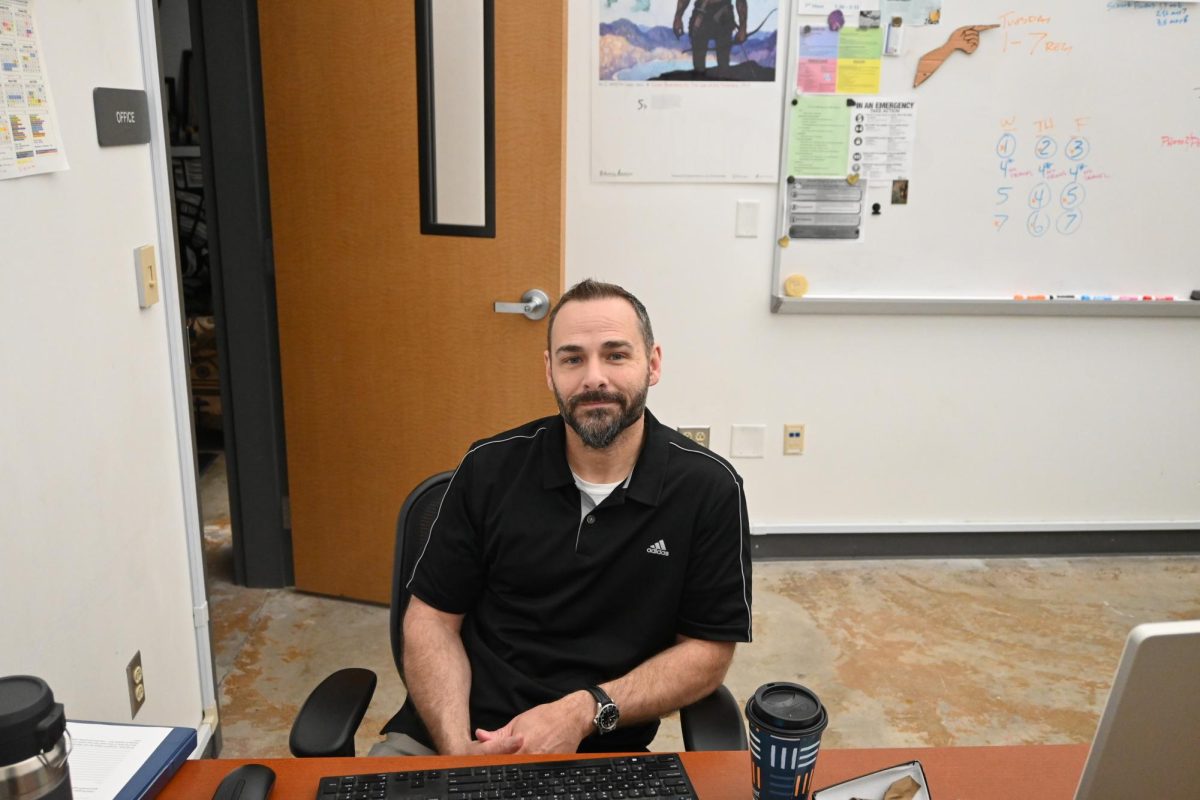
Teachers across the building said they have noticed similar improvements. Social studies teacher Ryan Unruh said the change in participation is clear.
“I’ve seen kids more engaged in class lessons,” he said, “During the phone era, students didn’t participate as much or were less engaged in classroom discussions. Many students just wanted to be given an assignment, so they can get through it quickly to get to their phones. I feel like I’ve gotten to know the students so much better this semester. It’s been a nice change.”
Math teacher Jill Hertzog said she has seen more productivity.
“I have seen more students engaged during lessons,” she said. “In math, when I give people time to work on homework, the entire class is working on homework. During downtime, I’ve also seen more students being social and talking to each other than they have in the past.”
She added that the lack of phones has improved work completion.
“They’re getting more work done at school because they don’t have that crutch to waste time,” she said “I’ve also seen an increase in students talking to each other, just being more social and engaged.”
Overall, Hertzog said she supports the ban.
“I think it’s great, I love it,” she said, “It’s only had positive impacts on students, on learning, and on the amount of work getting done. I hope students recognize how much more fun it can be when you’re talking to your friends and classmates as opposed to just staring at your phone.”
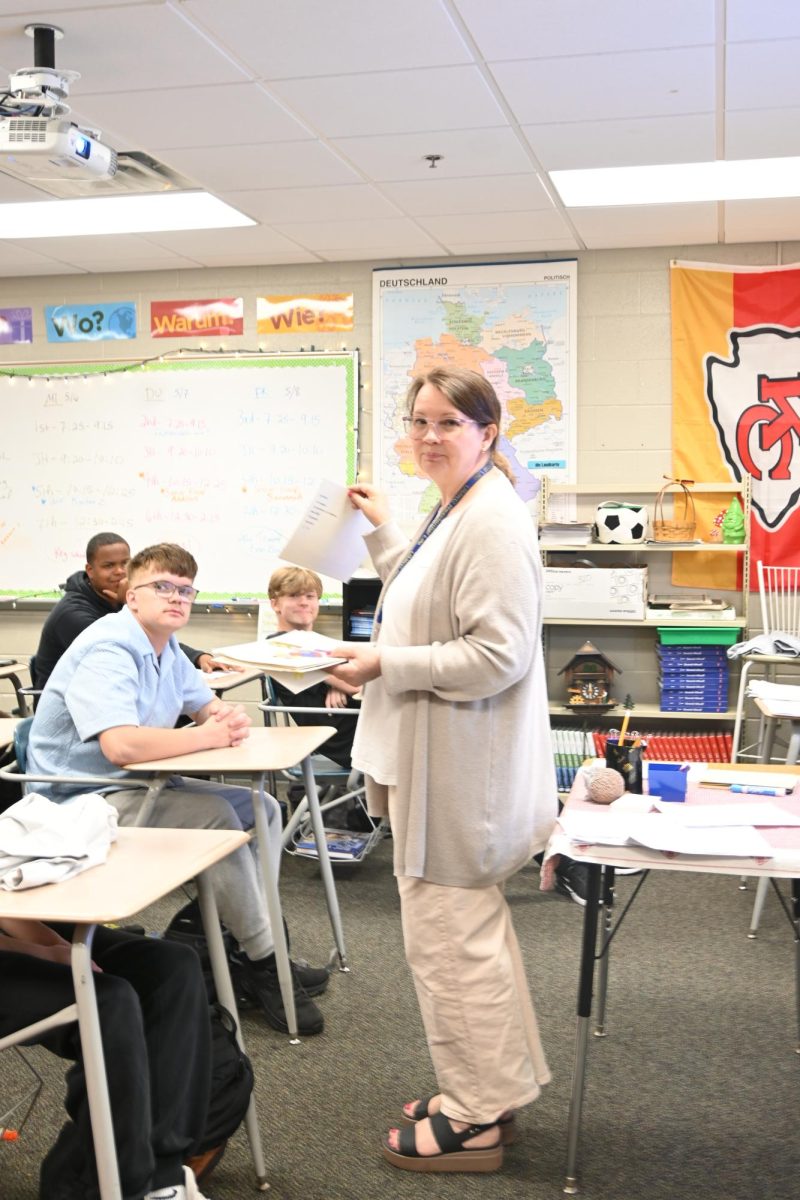
English teacher Cathy Sheridan said the ban has changed how students spend free time.
“Students are more locked in with what we’re doing and just less distracted,” she said, “I haven’t had to write any kids up for cell phones. I feel like students have really embraced the law, whether they like it or not.”
Sheridan said the adjustment took time but has been successful.
“I was skeptical at first, but I’ve been really proud of our students,” she said. “My hope is that it breaks the habit of constantly checking the phone and benefits them throughout their whole life.”
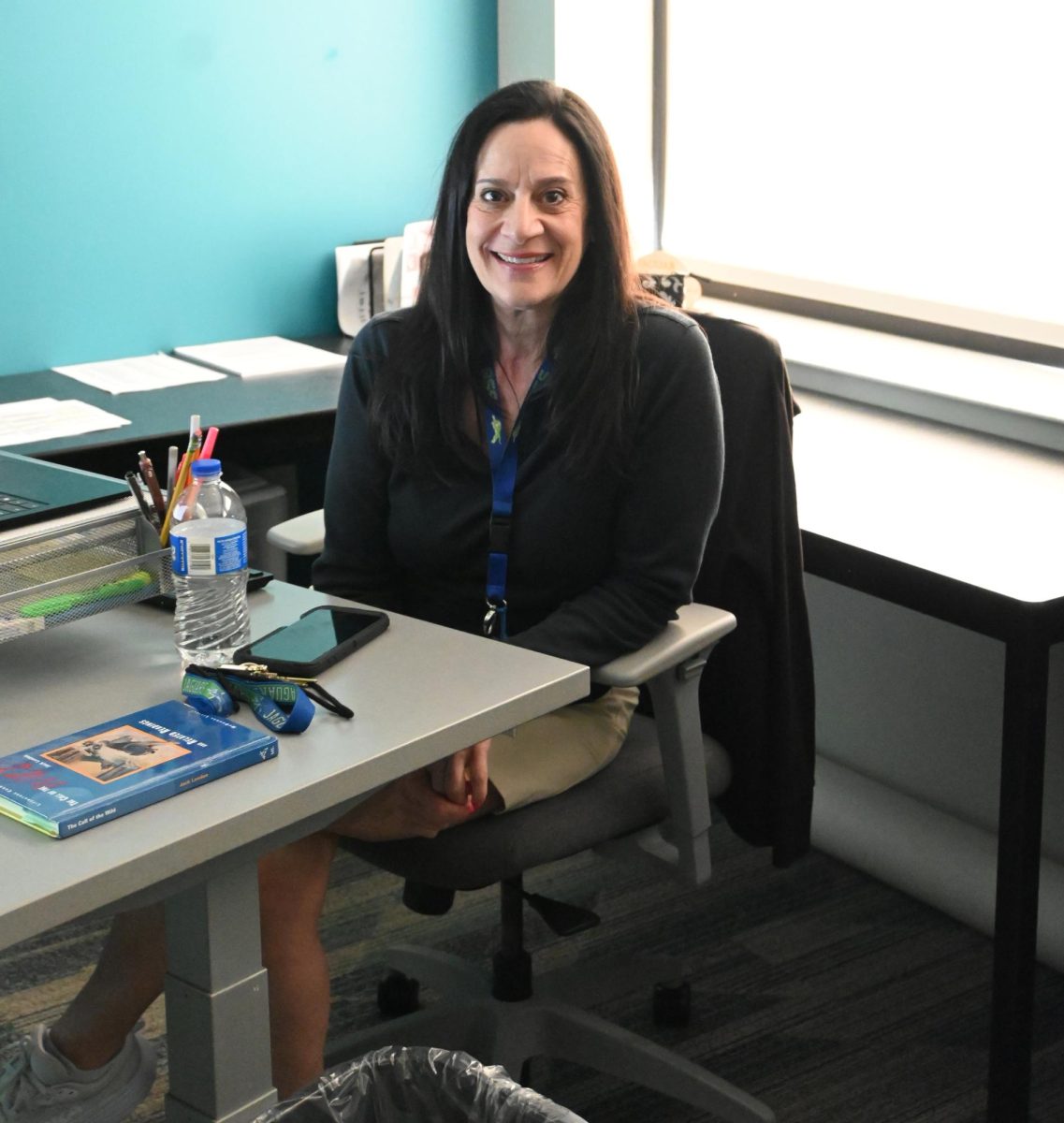
Art teacher Carlee Martin said the change has been positive for classrooms.
“I’m really happy, I think it needed to happen,” she said. “I was kind of getting to a point in my career where I just stopped battling with the phones, because it was more entertaining than listening to the teacher.”
Other students say the ban has been inconvenient.
Junior Addison Legg said the school day has a different feel now.
“School has definitely felt different since the ban,” she said. “People are paying more attention to the teachers, but I’ve also noticed more students sleeping.”
Legg also talked about her opinions on the phone law with her outside life.
“Outside of school, it’s changed things too,” she said. “I can’t plan activities right after class with friends who aren’t in the same room, because I don’t have my phone.”
Freshman Levi Maddocks said the ban has affected his social connections as well.
“I just can’t text my friends during school, so I’ve kind of drifted away from some people,” he said.
Maddocks said he also misses listening to music between classes and communicating quickly with his parents.
Senior Sophia Trout said she misses the convenience of having her phone.
“I miss it because there’s a lot of times when I want to communicate with my parents or my friends, or I need to pull out a password from my notes app, and I can’t,” she said. “So, it’s kind of restrictive in that way, but I think for some students, it helps their focus.”
Science teacher Samantha Shawver said she has seen positive changes in student interaction.
“I just think there’s a lot more socialization happening,” she said. “Kids have learned social cues from each other, and have to interact with each other, and not just resorting to a device and ignoring the people around them. I think socially it’s been amazing.”